Marrakech, often called the “Red City” because of its distinctive red sandstone buildings, is one of Morocco’s most vibrant and enchanting cities. Located in the west of the country at the foot of the Atlas Mountains, Marrakech is a city that perfectly blends history, culture, and modernity. It attracts millions of visitors every year who come to experience its rich heritage, bustling markets, and unique atmosphere.
Founded in 1070 by Abu Bakr ibn Umar, a leader of the Almoravid dynasty, Marrakech has a long and fascinating history. The city quickly became a political, cultural, and economic hub in Morocco, serving as a capital for several dynasties. Its historical significance is reflected in its many architectural landmarks, which combine Islamic, Berber, and Andalusian influences. Among the most famous sites is the Koutoubia Mosque, an iconic 12th-century mosque known for its striking minaret, which dominates the city skyline and serves as a symbol of Marrakech.
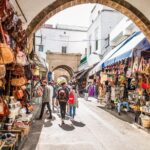
The heart of Marrakech is undoubtedly the medina, a UNESCO World Heritage Site. This ancient walled city is a labyrinth of narrow alleys, bustling souks (markets), and traditional riads (guesthouses). The medina is famous for its vibrant marketplaces, where visitors can find everything from handcrafted carpets and leather goods to spices, textiles, and traditional Moroccan pottery. Each souk often specializes in a particular type of product, making it easy for visitors to explore and shop. The Djemaa el-Fna square, located at the center of the medina, is one of the most famous squares in the world. By day, it is a hub of activity with street performers, snake charmers, and merchants. By night, it transforms into an open-air food court, where locals and tourists alike can enjoy traditional Moroccan dishes, such as tagine, couscous, and pastilla.
Marrakech is also home to a wealth of historical palaces and gardens. The Bahia Palace, built in the late 19th century, showcases stunning Islamic and Moroccan architecture with intricate mosaics, carved wooden ceilings, and expansive gardens. Another popular attraction is the Saadian Tombs, dating back to the 16th century, which were rediscovered in 1917 and are renowned for their beautiful decoration and historical significance. The Majorelle Garden, designed by French painter Jacques Majorelle and later owned by fashion designer Yves Saint Laurent, is another must-see destination. The garden is famous for its vibrant blue structures, exotic plants, and tranquil atmosphere, offering a peaceful retreat from the city’s bustling streets.
Beyond its historical and cultural sites, Marrakech offers a rich culinary experience. Moroccan cuisine is famous for its use of aromatic spices, fresh herbs, and bold flavors. Traditional dishes such as lamb tagine with prunes, chicken pastilla, and harira soup provide a true taste of Morocco. Street food is also an integral part of the Marrakech experience, offering everything from freshly squeezed orange juice to sweet pastries like chebakia. Cafés and restaurants in Marrakech often feature outdoor terraces where visitors can enjoy the city’s warm climate while savoring traditional meals and mint tea.
For those interested in modern experiences, Marrakech has a thriving arts and entertainment scene. Contemporary art galleries, cultural centers, and music festivals reflect the city’s dynamic character. The Marrakech International Film Festival, held annually, attracts filmmakers, actors, and cinema enthusiasts from around the world. Additionally, modern hotels and resorts provide luxurious accommodations for visitors, ranging from boutique riads in the medina to five-star resorts on the outskirts of the city.
Marrakech is also a gateway to natural attractions and adventure. The nearby Atlas Mountains offer opportunities for hiking, trekking, and exploring Berber villages, while the Agafay Desert and surrounding landscapes provide options for camel rides, quad biking, and stargazing. The city’s location allows travelers to combine cultural exploration with outdoor activities, making it an ideal destination for all types of tourists.
Safety and hospitality are key aspects of the Marrakech experience. Moroccans are known for their warmth and friendliness, and visitors are often welcomed with a smile and a cup of traditional mint tea. While it is recommended to stay aware of surroundings, especially in crowded areas of the medina, Marrakech is generally considered safe for tourists. Travel agencies and guides offer structured tours to ensure a comfortable and enjoyable experience.
In summary, Marrakech is a city of contrasts, where ancient traditions meet modern luxury, and where vibrant street life coexists with serene gardens and historical monuments. Its rich history, unique culture, and warm hospitality make it one of the most popular travel destinations in Morocco and the world. Whether exploring the winding alleys of the medina, shopping in colorful souks, savoring traditional Moroccan cuisine, or venturing into the surrounding mountains and deserts, visitors to Marrakech are guaranteed a memorable and enriching experience.